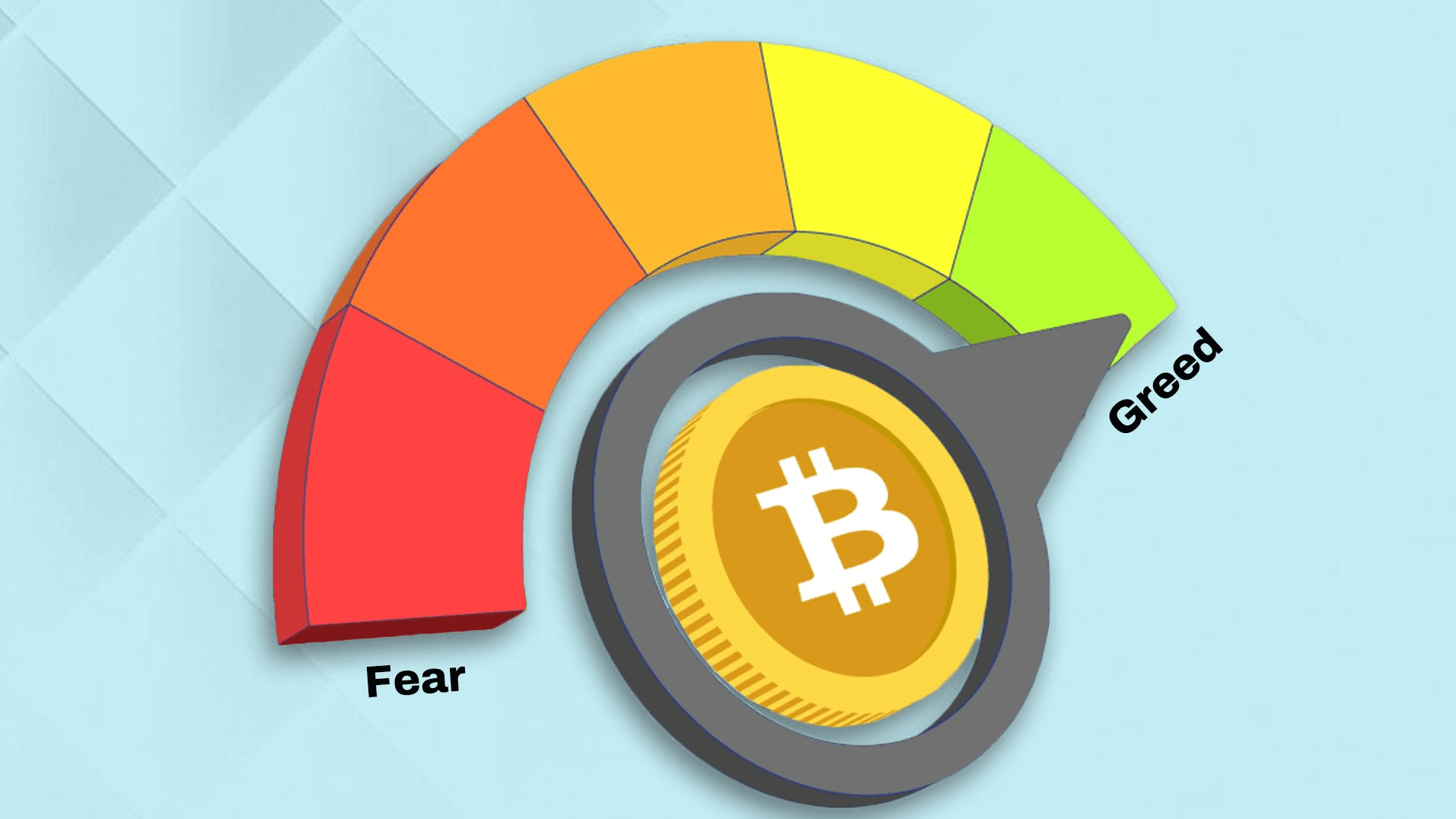
Crypto fear index falls to 10 as Strait of Hormuz tensions rise
Crypto Fear Index Declines Amid Geopolitical Tensions: A Deep Dive
The past week has highlighted the susceptibility of cryptocurrency markets to global geopolitical developments, particularly the tensions escalating in the Middle East. The Crypto Fear and Greed Index, a barometer of market sentiment in the digital asset space, registered a drop from 12 to 10. This decline has been closely tied to Iran's military exercises that disrupted the Strait of Hormuz, a key global oil conduit. This situation inevitably affected the broader market sentiment, reflecting increasing anxieties surrounding the crypto market's resilience amid these geopolitical factors.
Impact of Hormuz Drills on Global Oil Transport and Energy Costs
The Strait of Hormuz, acting as a pivotal maritime passage, sees almost a third of the world’s seaborne oil transport. Given this substantial throughput, any military activity leading to its closure can have immediate and pronounced implications for global oil prices. Furthermore, elevated oil prices directly translate to increased energy expenses worldwide. This has significant implications for Bitcoin miners, particularly because mining operations depend heavily on energy resources. An increase in operational costs could pressure miners to either scale back operations or liquidate holdings to sustain financial viability, thereby affecting cryptocurrency supply.
Interplay Between Geopolitical Events and Bitcoin Mining Operations
Geopolitical tensions, especially those in energy-centric regions, have a ripple effect on Bitcoin mining activities. This is due to the dependency of these operations on energy stability; hence, any instability can impact their economic feasibility. Market analysts suggest that miners might resort to liquidating assets to manage escalating operational costs, a factor that introduces additional market liquidity and volatility. It’s crucial for stakeholders to understand how geopolitical instability might reshape market dynamics and how miners' responses to such volatility could affect overall market conditions.
Potential Outcomes from U.S.-Iran Diplomatic Talks
As military maneuvers were underway, Iranian and U.S. officials convened in Geneva to engage in diplomatic dialogues. The results of these negotiations are pivotal; they could either exacerbate or alleviate regional tensions. A diplomatic breakthrough might restore market confidence and ameliorate energy supply concerns, potentially stabilizing price fluctuations in both oil and cryptocurrency markets. Conversely, a failure in talks could further inflame tensions, adding layers of uncertainty and volatility in financial markets globally. Market analysts are closely observing these developments as they could set significant precedence for future market movements.
Market Sentiment Amid Awaited U.S. Economic Data Releases
Compounding these geopolitical factors is the backdrop of impending economic data releases from the United States. Investors are keenly monitoring durable goods data and the anticipated Personal Consumption Expenditures (PCE) report from the Federal Reserve. These metrics are critical in gauging the U.S. economic landscape and consumer activity, thus influencing investment sentiment. Cryptocurrency markets, often viewed as risk-on assets, are notoriously sensitive to such macroeconomic factors. The waiting game surrounding the release of these data points has kept trading volumes subdued as investors cautiously await directions in market trends.
Conclusion: Navigating a Complex Financial Terrain
In conclusion, the interplay of geopolitical tensions and key economic indicators illustrates the complexities of modern financial markets, particularly within the volatile cryptocurrency arena. As stakeholders navigate through these challenging waters, understanding key variables – from oil transport implications to diplomatic outcomes and economic data releases – becomes imperative. Investors and traders should remain vigilant, meticulously analyzing both geopolitical developments and economic indicators to effectively manage and adjust their market positions. The ability to anticipate and respond to these factors will undoubtedly shape strategic decision-making in the cryptocurrency landscape moving forward.
20.02.2026