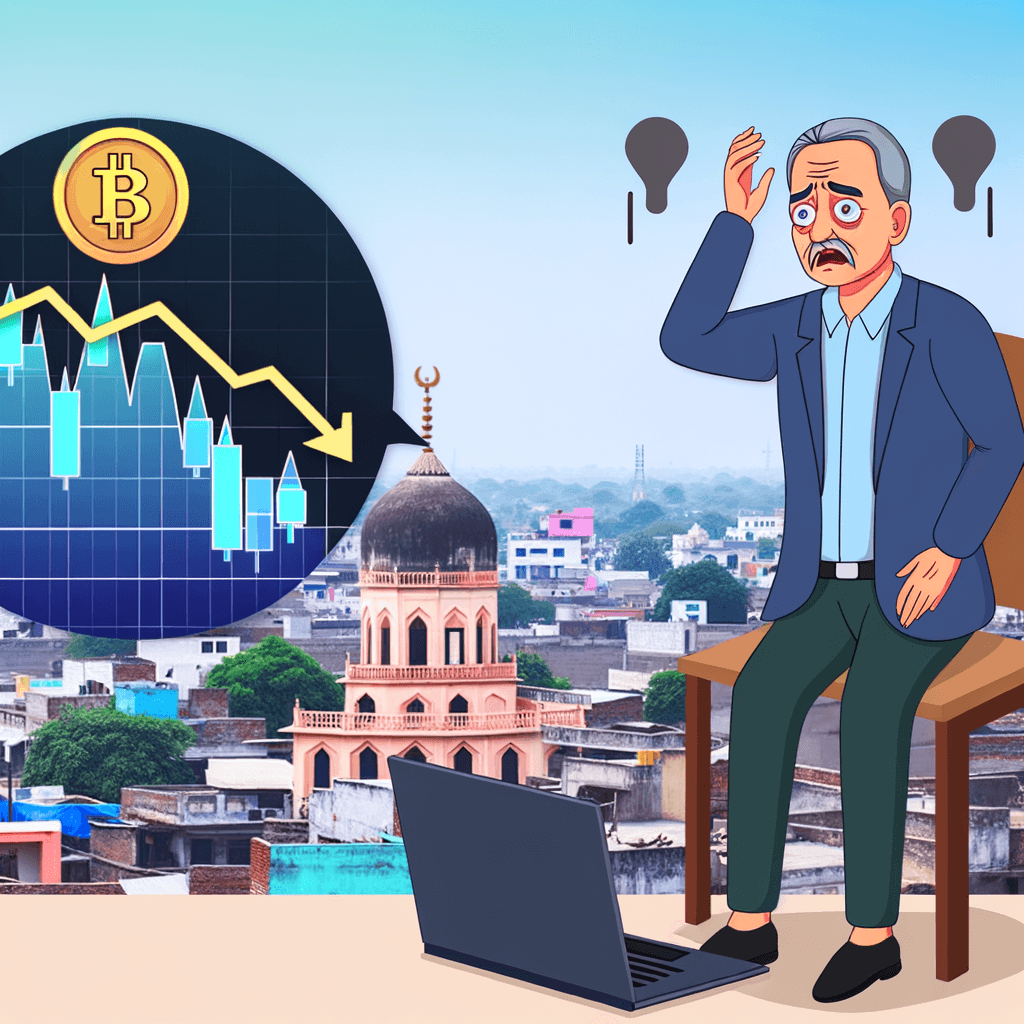
Retired Bank Officer Duped Of Rs 60 Lakh In Crypto Trading Scam In Agra
The Dark Side of Cryptocurrency: A Cautionary Tale of Scams
Cryptocurrency has revolutionized the world of finance, offering new opportunities and the promise of lucrative returns. However, this digital frontier is not without its dangers. The recent incident in Agra, involving a 77-year-old retired bank employee named Krishna Gopal Sharma, serves as a stark reminder of the perils lurking in the crypto space. Sharma was reportedly defrauded of nearly Rs 60 lakhs by cybercriminals who deceived him with assurances of significant profits from cryptocurrency trading.
The Anatomy of the Scam
The scam, as reported, began in October 2024 when Sharma received a message on Facebook Messenger. The sender, who called himself 'Anna', claimed affiliation with a prestigious investment firm. By invoking the internationally renowned name of Morgan Stanley, the fraudster managed to gain Sharma's trust. Leveraging this deceitful credibility, the scammer guided Sharma to set up a trading account and a cryptocurrency wallet via links provided during their interactions.
Over a span of 15 months, Sharma was convinced to transfer funds, totaling approximately Rs 60 lakhs, into these accounts. The transactions were executed through Unified Payments Interface (UPI), a common digital transaction method in India. This case highlights not only the sophisticated tactics employed by scammers but also the vulnerabilities of investors who may be less familiar with the intricacies of digital trading platforms.
Lessons to Learn: Due Diligence is Key
For anyone considering cryptocurrency investments, Sharma's experience underscores the essential need for thorough due diligence. Engaging in cryptocurrency markets, or any form of online investment, requires a foundational understanding of the platforms and the financial instruments involved. Investors must verify the legitimacy of the entities they engage with, ideally consulting known, registered financial advisors or conducting comprehensive background checks on the organizations involved.
Additionally, utilizing secure and reputable cryptocurrency exchanges can add a layer of protection. These exchanges typically have more stringent security protocols and regulatory compliance measures in place, which can help mitigate the risks associated with fraudulent schemes.
The Role of Regulatory Authorities
This incident also shines a light on the importance of regulatory oversight in the cryptocurrency domain. Governments and financial watchdogs worldwide are grappling with the challenge of regulating a market that is inherently decentralized and borderless. Creating robust regulations that protect investors from fraud without stifling innovation is a delicate balancing act. Authorities must ensure that clear guidelines and educational resources are available to help potential investors navigate the complexities of cryptocurrency trading.
Conclusion: Staying Vigilant
As digital currencies continue to gain popularity, the frequency and sophistication of scams are likely to rise. Sharma's unfortunate experience serves as a poignant reminder of the persistent threat of cyber fraud. It is crucial for investors to stay informed and cautious, recognizing the signs of potential scams and seeking legitimate channels for their investment ventures. As the world of finance evolves, so too must the strategies we employ to protect ourselves against financial predators.
03.03.2026